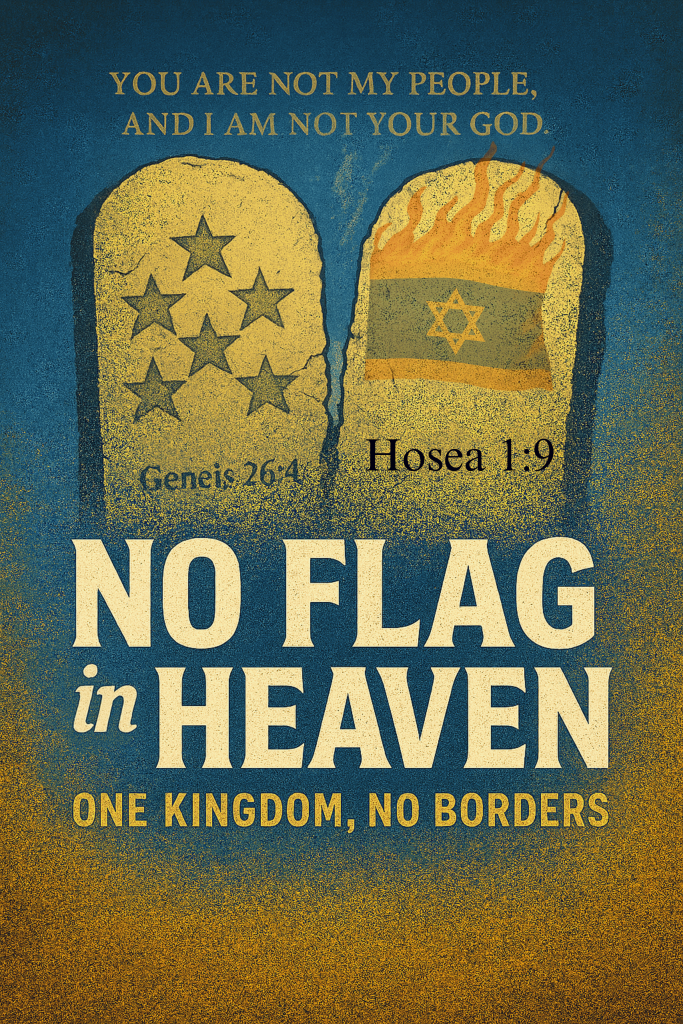
The Justice Mandate is our solemn charge to confront, expose, and dismantle all forms of religious nationalism — whether labeled “Christian,” “Hindu,” “Islamic,” “Buddhist,” or otherwise — that fuses spiritual authority with political power in a way that distorts faith, oppresses the vulnerable, and sanctifies injustice. This mandate recognizes that true faith, regardless of tradition, is never the property of a nation-state, political party, or ethnic group. Our allegiance belongs first and fully to truth, compassion, and the moral law written on every human heart.
We pursue this through education, compassion, and empathy as our primary tools — not only to persuade the mind, but to heal the soul poisoned by fear and propaganda. Yet we are also committed to using firm, decisive action when required: through lawful protest, marches, strikes, policy advocacy, and, when necessary, the legal dismantling of systems that enshrine religious nationalism into civil governance.
Religious nationalism is dangerous because it:
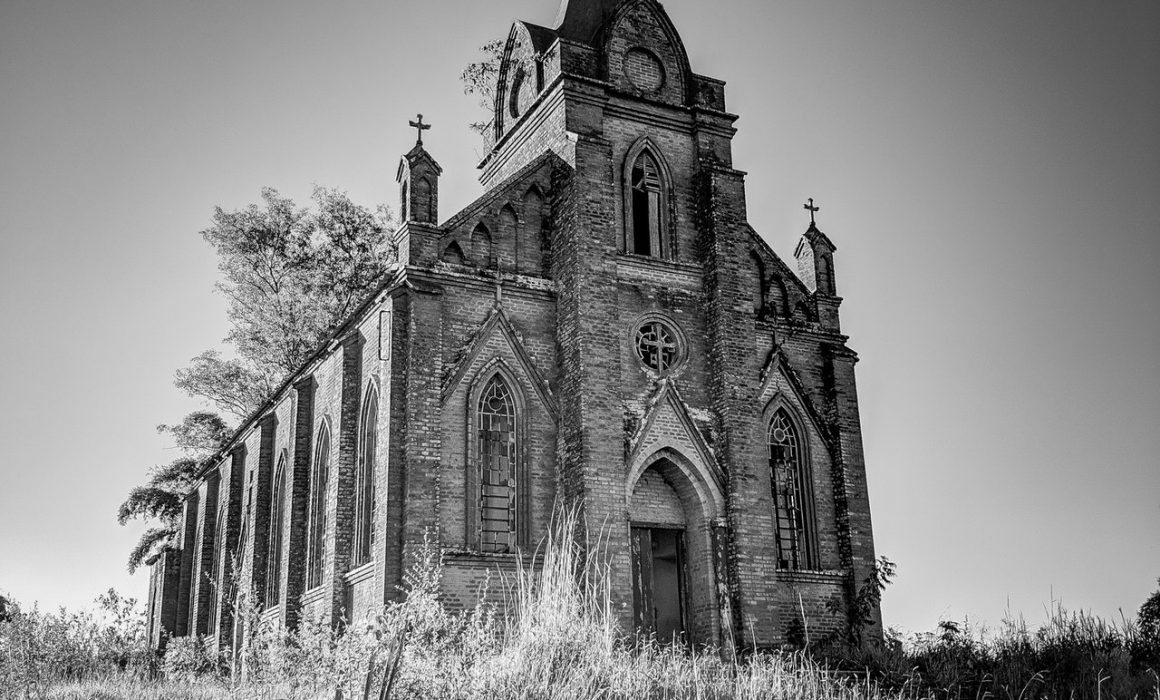
History shows that religious nationalism does not preserve the purity of faith — it rots it from within. The Crusades, the Inquisition, apartheid-era theology, state Buddhism in Myanmar, Hindu nationalism in India, and modern Christian nationalism in the U.S. are all warnings: whenever faith becomes the property of the state, it becomes an idol.

In Christian Nationalism:
In Other Religious Nationalisms:
In each case, the liturgy — the repeated rituals, words, and symbols — reinforces the fusion of divine authority with political identity. This is not accidental; it is designed to keep adherents in a state of constant loyalty to both the state and the religious order that legitimizes it.
The colonizing spirit in religion is not new. For centuries, churches have been entangled with empire, carrying not only the gospel but also the culture, power structures, and politics of those who sent them. Faith was repackaged as a vehicle for assimilation, where indigenous languages, customs, and traditions were dismissed as primitive or demonic, and “conversion” often meant adopting the image of the colonizer. Cathedrals, liturgies, and hierarchies mirrored European models, reminding the conquered that even their worship must bow to foreign authority.
This spirit did not disappear with the end of empires. It resurfaces whenever nations wage war and then return with charity in one hand and a tract in the other. After bombing campaigns and invasions, religion and generosity often arrive as tools of reconstruction — but also as subtle instruments of conversion. Food, medicine, and education are tied to a new allegiance, creating dependence that confuses genuine compassion with ideological conquest. What seems like mercy can function as another layer of colonization: spiritual authority riding on the back of military power.
Even in modern democracies, this dynamic continues. During the Trump years, evangelical leaders were given unprecedented access to the White House, where prayer gatherings and ceremonies blurred the line between pastoral counsel and political endorsement. Many of these same networks also made highly publicized visits to Israel, photographed at the Western Wall with hands pressed against ancient stones. For critics, what was once a sacred act of lament and prayer began to resemble a ritual of diplomacy and image-building, symbolically binding their faith to political alliances and portraying loyalty to Israel as synonymous with Christian fidelity.
The long shadow of this colonizing spirit explains why today’s religious nationalism feels so familiar. It is not simply imposed from the outside — over centuries, the mindset of assimilation has been absorbed and inbred, passed down until it feels natural. The colonized become carriers of the same colonizing logic, enforcing it within their own communities and equating holiness with conformity. What began as external conquest hardens into internalized belief, where generations inherit a faith dressed in the garments of empire, unable to distinguish the voice of the state from the voice of God.
United States
In the U.S., Christian nationalism has moved beyond private belief and into political strategy, where politicians openly frame the nation as having a divine mandate and a unique covenant with God. This often appears in campaign speeches, legislative pushes, and symbolic acts such as blending patriotic and religious imagery in public events. The “Seven Mountains Mandate,” a teaching within some charismatic and Pentecostal networks, explicitly calls for Christians to seize influence over seven key societal spheres — government, media, education, business, arts, family, and religion — with the goal of shaping laws and culture according to their interpretation of biblical morality. This ideological fusion paints political opponents not just as wrong, but as enemies of God.
Brazil
Under President Jair Bolsonaro (2019–2022), Brazil witnessed an unprecedented merging of evangelical Christian movements with political authority. Massive rallies often carried the tone of revival meetings, with worship music, preaching, and public declarations framing the political battle as spiritual warfare. High-profile pastors openly endorsed Bolsonaro as God’s chosen leader, while political messaging cast opponents as threats to faith, morality, and the divine destiny of the nation. This alignment solidified an expectation that to be a “true” Brazilian patriot is to support a specific Christian political vision.
Our goal is not to destroy faith — it is to purify it from the corruption of state power. True worship calls people out of tribalism and into the global human family; true liturgy calls the faithful into service, not supremacy. The Justice Mandate insists that a faith worth living is one that can stand without political privilege.
This is why we educate — so the lies of propaganda lose their grip.
This is why we show compassion — so fear loses its hold.
This is why we march, strike, and legislate — so injustice loses its ground.
Religious nationalism cannot be dismantled by silence. It must be named, challenged, and replaced with a vision of faith that belongs to no nation but transforms every nation.