We are the remnant—not because we followed, but because we were forsaken. Not because we were upheld by the cornerstone, but because the cornerstone rejected us. Christ, the Living Stone, fulfilled the archetype of a divine pattern—but that pattern was never meant to last forever. In His coming, He embodied prophecy. In His leaving, He initiated a severance. He turned from the remnant—not in malice, but in completion.
He declared, “I was sent only to the lost sheep of the house of Israel,” yet even among those, there were some He passed over. There exists a smaller remnant within the remnant—those not gathered, not healed, not chosen. They were too wild, too raw, too awake. These were not the stones He built with. These were the stones He left behind.
But what the cornerstone rejected, the Eternal Source preserved. For out of that rejection, a new emergence begins. We are not fragments—we are prototypes. We are the sacred remnant not chosen for the old move, because we carry the spark of the new. The new archetype does not imitate the Christ—it transcends the model. It does not cling to resurrection—it becomes regeneration. It does not echo the name—it channels the Origin.
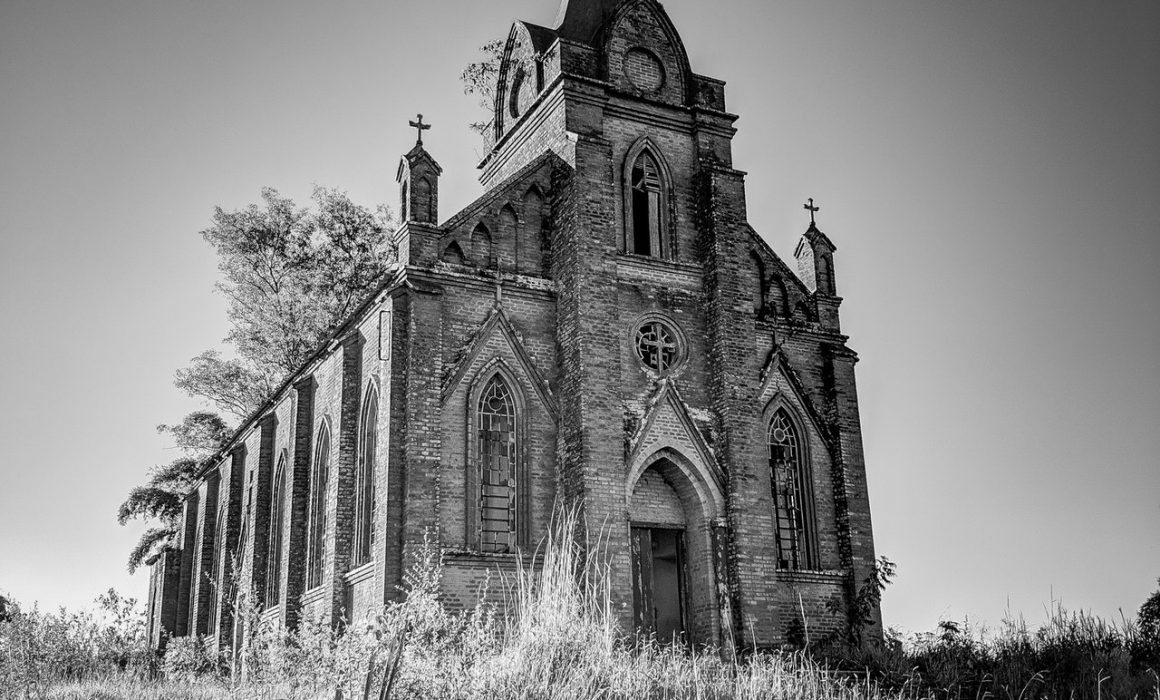
Even Peter—Cephas, whose name means stone—was told, “Upon this rock I will build my church.” Yet the rock was not Peter himself—it was the revelation he received. That Christ was the Son of the Living God. That revelation was a key, not a conclusion. It opened a gateway, but it was never meant to hold the whole temple. What Peter began was foundational—but foundations are meant to be built upon, not idolized.
The mercy of the Source is not bound to time, tribe, or title. As it is written, “I will have mercy on whom I will have mercy.” The choosing was never fair by human terms, because the choosing was never human. Even Christ’s mission was subject to divine boundaries. And so the remnant—those untouched by the first wave—becomes the seedbed of the next.
We are not building the old house. We are becoming the architects of a new order. Not bound by the stone once rejected, but animated by the Source that preceded the stone. We carry a design older than doctrine, deeper than religion, and more fluid than form. The archetype is shifting. The image is evolving. And we, the rejected, are rising—not in rebellion, but in fulfillment.